 English
 Spanish
 French
 German
 Italian
 Chinese (Simplified)
 Japanese
 Korean
 Arabic
 Portuguese
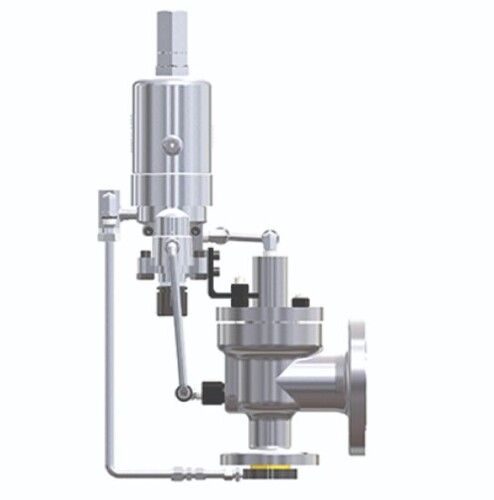
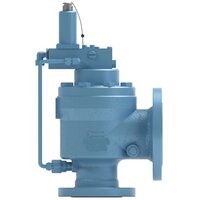
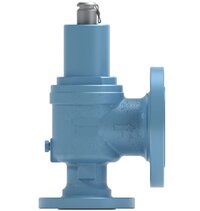
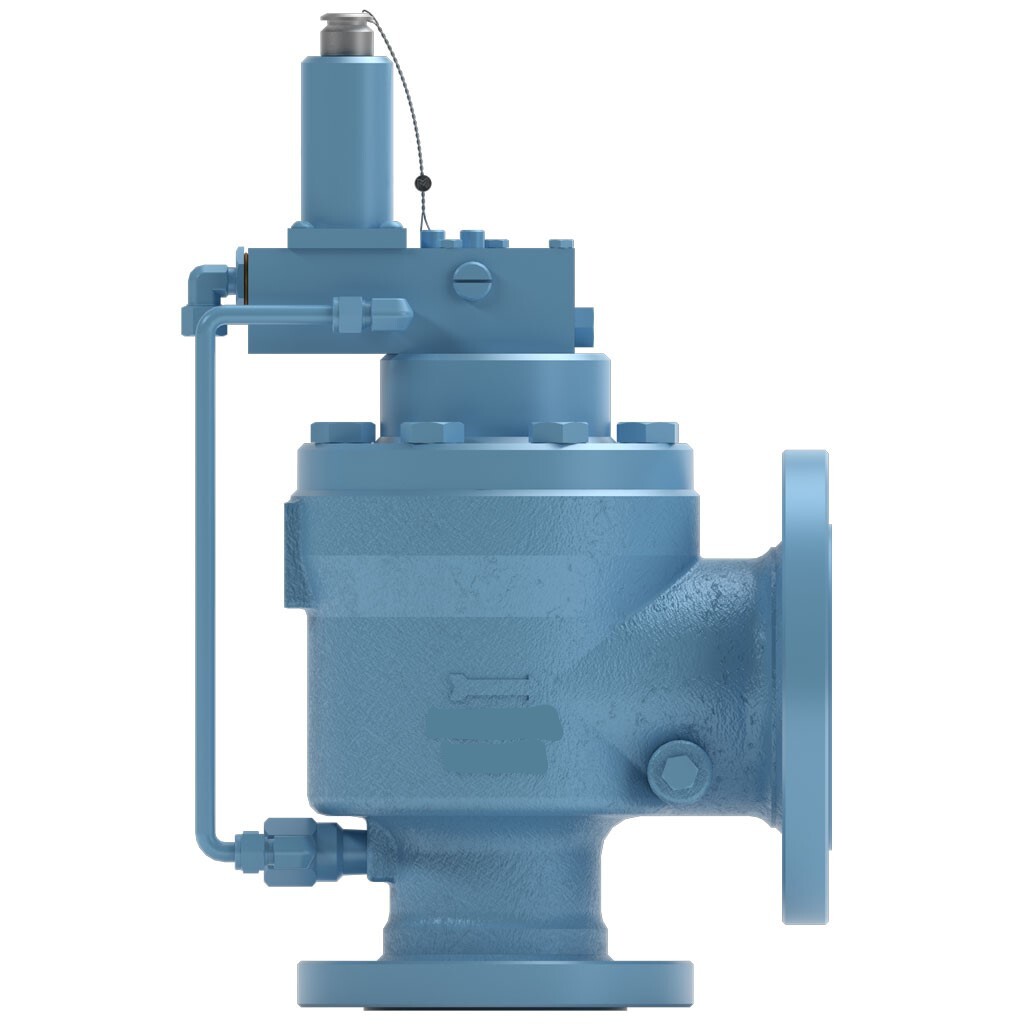
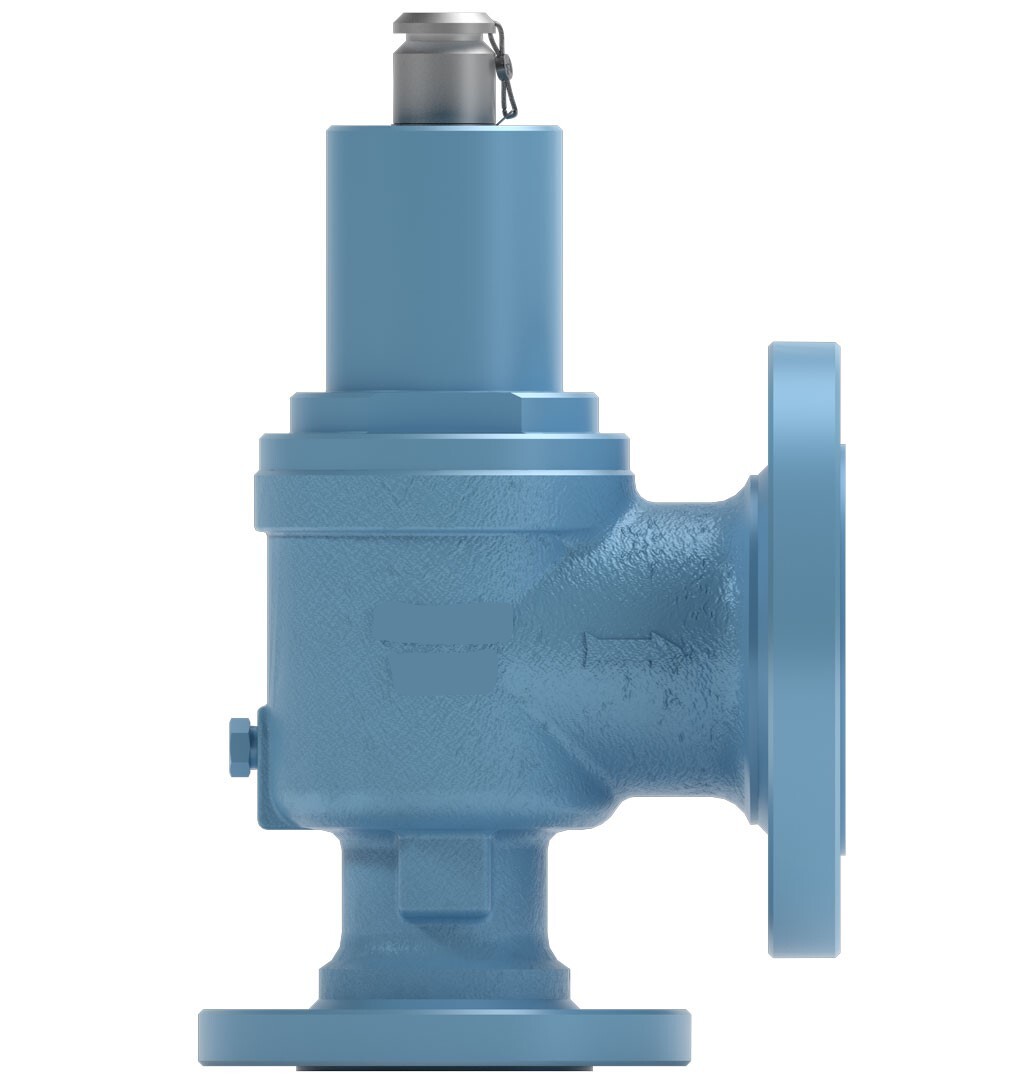
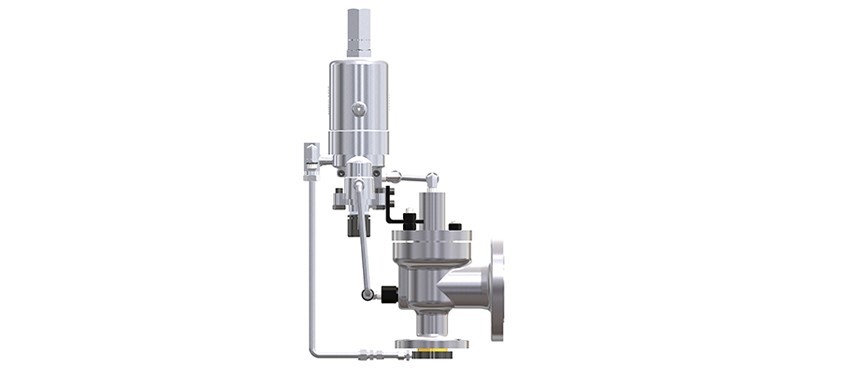
Pilot-Operated Safety Relief Valves
740 USD ($)/Unit
Product Details:
- Features High repeatability, Low maintenance, Precise and stable set pressure, Leak-proof sealing, Corrosion resistant
- Control System Pilot Operated with auxiliary control pilot for pressure setting
- Connection Type Flanged, Screwed, Welded Ends
- Material Carbon Steel, Stainless Steel, Cast Steel, Alloy Steel, Custom Alloys
- Valve Size DN15 to DN300
- Valve Type Safety Relief Valve
- Structure Pilot-operated, Spring loaded, Full or Semi Nozzle Type
- Click to View more
X
Pilot-Operated Safety Relief Valves Price And Quantity
- 10 Piece
- 740 USD ($)/Unit
- 740.00 - 800.00 USD ($)/Unit
- Vertical (standard), Horizontal on request
- Epoxy Coated / Shot Blasted / Painted
- Generally between 0.94 and 0.98
- Manual lifting device, Heater, Limit switch, Exhaust hood
- Utilizes a pilot valve to control the main relief valve operation for higher accuracy and efficiency
- Up to 500,000 Nm³/hr (depending on size and set pressure)
- ASME Section VIII / API 526 / API 520 / ISO 4126
Pilot-Operated Safety Relief Valves Product Specifications
- Pilot-operated, Spring loaded, Full or Semi Nozzle Type
- High repeatability, Low maintenance, Precise and stable set pressure, Leak-proof sealing, Corrosion resistant
- 1/2 to 12 (DN15 - DN300)
- Manual / Pneumatic Actuated
- -29C to 427C (Standard), Higher ratings available on request
- Pilot Operated with auxiliary control pilot for pressure setting
- Stainless Steel or as per design
- Not Applicable (Mechanical/Pneumatic control)
- Set Pressure Range: 0.5 bar to 400 bar
- Pilot Operated Safety Relief Valve
- Carbon Steel, Stainless Steel, Cast Steel, Alloy Steel, Custom Alloys
- Flanged, Screwed, Welded Ends
- Safety Relief Valve
- Steam, Gas, Air, Vapors, Liquids
- Stainless Steel / Alloy Steel / Custom Materials
- DN15 to DN300
- Metal to Metal / Soft Seated (PTFE, Viton, etc.)
- Overpressure protection in pressurized systems, such as boilers, pressure vessels, and pipelines
- Vertical (standard), Horizontal on request
- Epoxy Coated / Shot Blasted / Painted
- Generally between 0.94 and 0.98
- Manual lifting device, Heater, Limit switch, Exhaust hood
- Utilizes a pilot valve to control the main relief valve operation for higher accuracy and efficiency
- Up to 500,000 Nm³/hr (depending on size and set pressure)
- ASME Section VIII / API 526 / API 520 / ISO 4126
Pilot-Operated Safety Relief Valves Trade Information
- Western Union, Letter of Credit (L/C)
- 1000 Piece Per Week
- 15 Week
- Yes
- Free samples are available
- We, C-Way Engineering Exports give special attention to packaging. Due to longer transit time, machinery and goods are exposed to moisture and humid environment. We provide moisture proof packing and pack in strong wooden boxes. We provide pallets for easy loading and unloading of the goods. We ensure that the weight of the goods is evenly distributed.
- Asia, Australia, Central America, North America, South America, Eastern Europe, Western Europe, Middle East, Africa
- ISO 9001-2015,CE,FIEO,EEPC
Product Description
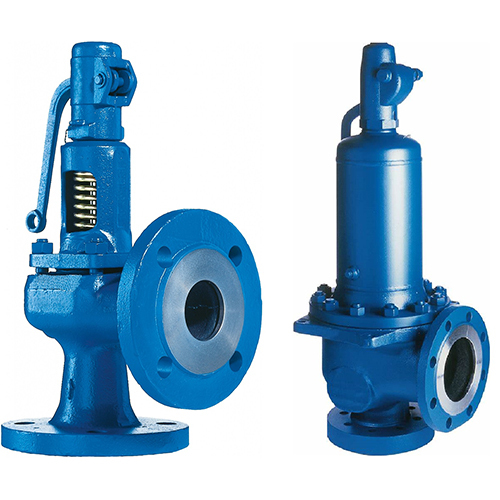
- Pilot-operated valves arepressure relief valves that control the main valve's inlet and outlet port. They are similar to spring-loaded valves but are the best alternative solution for reaching the highest pressure and highest capacity. These valves offer excellent performance for overpressure protection.
Precise Overpressure Protection
These safety relief valves ensure exact set pressure activation, thanks to their pilot-operated, spring-loaded design. With discharge coefficients reaching up to 0.98, they deliver secure, efficient relief, preventing system failures in industrial environments. Each valve undergoes rigorous testing to ASME, API, and ISO standards for performance assurance.
Flexible Mounting and Accessories
Vertical installation is the standard mounting orientation, but horizontal mounting is also available upon request to suit diverse system layouts. Optional accessories like manual lifting devices, heaters, limit switches, and exhaust hoods enhance functionality and adaptability for specific operational needs.
Durable Construction with Versatile Media Compatibility
Manufactured from premium materials including carbon steel, stainless steel, alloy steel, and custom alloys, these valves offer corrosion resistance and compatibility with a wide range of media such as steam, gas, air, vapors, and liquids. Metal-to-metal and soft-seated options further ensure reliable leak-proof sealing under varying pressure and temperature conditions.
FAQ's of Pilot-Operated Safety Relief Valves:
Q: How does a pilot-operated safety relief valve function?
A: A pilot-operated safety relief valve utilizes a smaller, pilot valve to sense system pressure and control the opening of the main relief valve. This mechanism allows for highly accurate pressure control, minimal leakage, and stable operation, making it suitable for critical overpressure protection tasks.Q: What media can be handled by these pilot-operated safety relief valves?
A: These valves are designed for overpressure protection in systems containing steam, gas, air, vapors, or liquids, thanks to their robust construction and versatile sealing materials like PTFE and Viton. Their adaptability ensures safe operation in varied industrial processes.Q: When should I consider using a pilot-operated safety relief valve instead of a direct-acting design?
A: Pilot-operated designs are recommended when higher accuracy, stable set pressure, and low maintenance are needed, or when handling high flow rates (up to 500,000 Nm3/hr) and pressures up to 400 bar. They are ideal for demanding applications in power plants, refineries, and large-scale manufacturing.Q: Where can these safety relief valves be mounted?
A: The standard mounting orientation is vertical, which optimizes valve performance and reliability. However, horizontal mounting is also available upon request to accommodate specific piping arrangements or site requirements.Q: What is the installation process for these valves?
A: Installation involves securing the valve in the preferred orientation, connecting via flanged, screwed, or welded ends, and ensuring all control and auxiliary devices are correctly configured. The choice of port size (DN15-DN300) and connection type depends on system design and operating parameters.Q: What are the main benefits of using this type of safety relief valve?
A: Key benefits include precise pressure control, stable operation, high flow capacity, leak-proof sealing, and excellent corrosion resistance. Their robust construction and optional features support low maintenance and long-term service even in demanding industrial environments.Tell us about your requirement

Price:
Quantity
Select Unit
- 50
- 100
- 200
- 250
- 500
- 1000+
Additional detail
Mobile number
Email

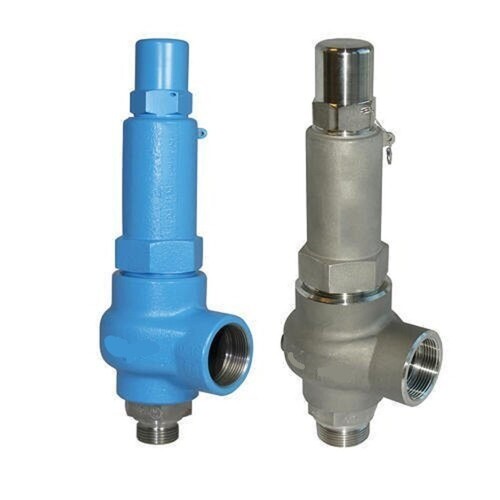
Other Products in 'Safety Relief Valve' category

C-Way Engineering Exports
GST : 36ACIPT5775H1ZZ
GST : 36ACIPT5775H1ZZ
Contact Details

- A16/204, Sanskruti Layout, Pocharam,Hyderabad - 500088, Telangana, India
- Phone :08071931089

- Mr Pratish Thakur (Founder & CEO)
- Mobile :08071931089
-
 Send Inquiry
 Send Inquiry
 Send Inquiry
 Send SMS
 Call Me Free
C-Way Engineering Exports
All Rights Reserved.(Terms of Use)
Developed and Managed by Infocom Network Private Limited.
Developed and Managed by Infocom Network Private Limited.

