 English
 Spanish
 French
 German
 Italian
 Chinese (Simplified)
 Japanese
 Korean
 Arabic
 Portuguese
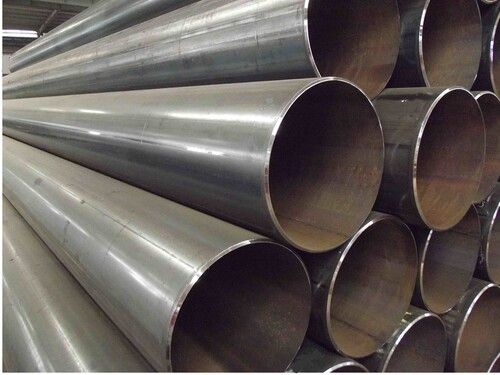
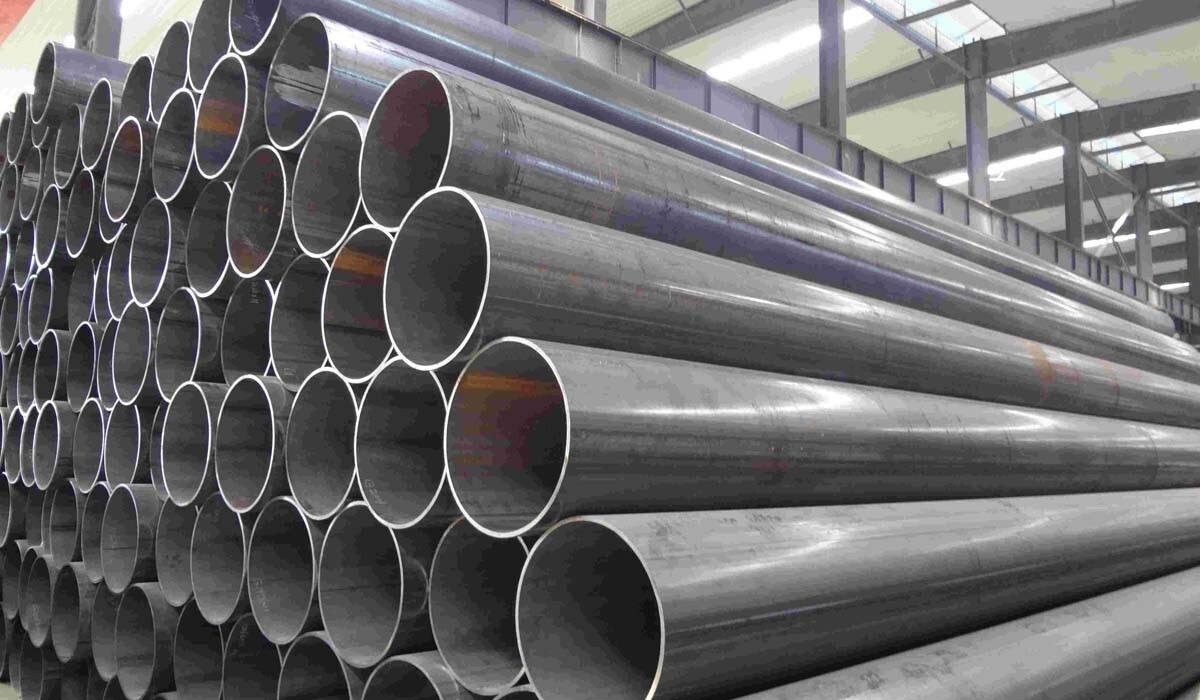
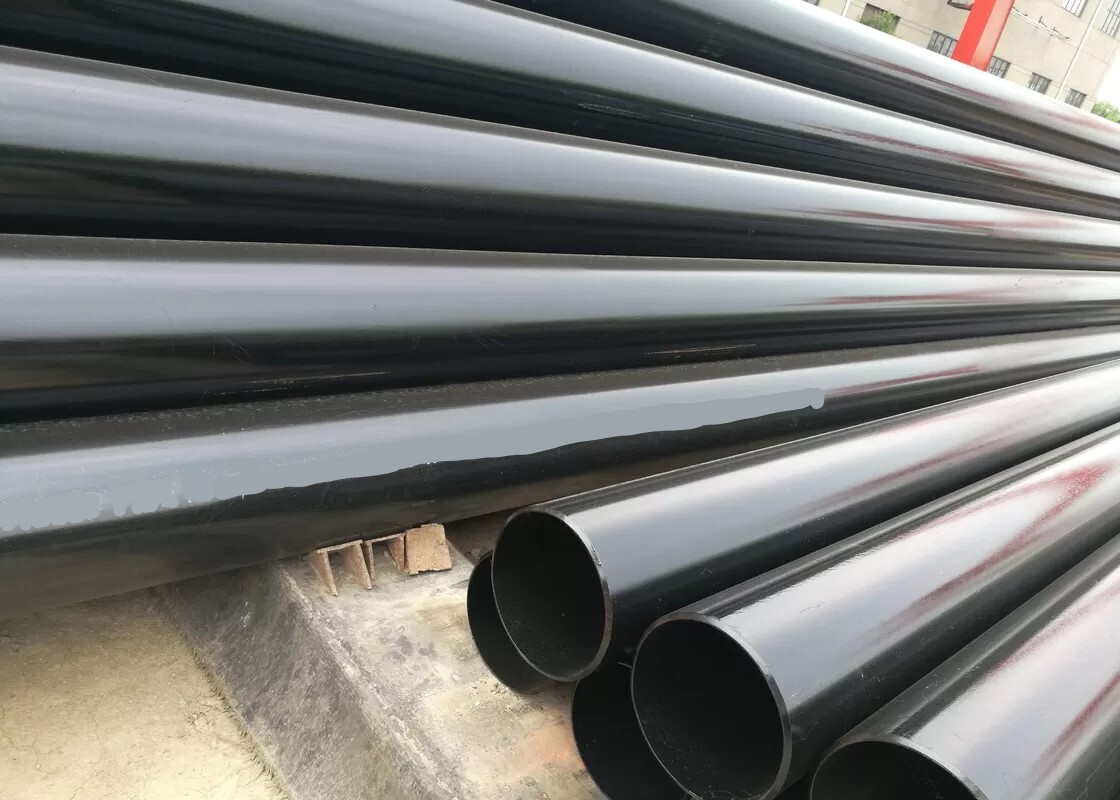
ERW Carbon Steel Pipe
2.4 USD ($)/Unit
Product Details:
- Bend Radius Standard Bend Radius as per Diameter
- Yield Strength 240 MPa
- Tolerance 1% or as per standard
- Connection Type Plain / Screwed / Flanged
- Coating Type Bitumen, Black Paint, Galvanized
- Thread Type NPT / BSP
- Diameter 1/2 inch - 24 inch
- Click to View more
X
ERW Carbon Steel Pipe Price And Quantity
- 2.4 USD ($)/Unit
- 20 Kilograms
- 2.40 - 5.00 USD ($)/Unit
- Hydrostatic Test, Eddy Current, Ultrasonic Test
- Available (Galvanized/Coated Pipes)
- Smooth
- As per IS 1239 / ASTM A53 standards
- Plain End / Beveled End / Threaded
- Bundled or Loose Packing
- Longitudinal Welded
- Electric Resistance Welded (ERW)
ERW Carbon Steel Pipe Product Specifications
- ERW Carbon Steel Pipe
- -20C to 350C
- A, B, C (ASTM); IS 1239; EN 10217
- Pipeline, Water Supply, Gas Transmission, Construction
- Threaded or Welded Joint
- Rigid
- 350-500 MPa
- As per Standard / Customer Specification
- Round
- Black Painted, Galvanized, or Bare
- Plain / Screwed / Flanged
- Bitumen, Black Paint, Galvanized
- 1/2 inch - 24 inch
- NPT / BSP
- 1% or as per standard
- 6 m / 12 m or Custom Length
- Structural, Industrial, Water, Oil & Gas Transport
- Circular
- Black
- Plain End / Beveled / Threaded
- 240 MPa
- 21.3 mm - 609.6 mm
- ASTM A53, IS 1239, BS 1387
- 2 mm - 10 mm
- Standard Bend Radius as per Diameter
- Carbon Steel
- Hydrostatic Test, Eddy Current, Ultrasonic Test
- Available (Galvanized/Coated Pipes)
- Smooth
- As per IS 1239 / ASTM A53 standards
- Plain End / Beveled End / Threaded
- Bundled or Loose Packing
- Longitudinal Welded
- Electric Resistance Welded (ERW)
ERW Carbon Steel Pipe Trade Information
- Western Union, Letter of Credit (L/C)
- 1000 Kilograms Per Week
- 15 Days
- Yes
- Free samples are available
- We, C-Way Engineering Exports give special attention to packaging. Due to longer transit time, machinery and goods are exposed to moisture and humid environment. We provide moisture proof packing and pack in strong wooden boxes. We provide pallets for easy loading and unloading of the goods. We ensure that the weight of the goods is evenly distributed.
- Asia, Australia, Central America, North America, South America, Eastern Europe, Western Europe, Middle East, Africa
- ISO 9001-2015,CE,FIEO,EEPC
Product Description
An ISO 9001-2015 certified company, 'C-Way Engineering Exports is a trusted Carbon Steel Pipe and Tubes supplier, manufacturer, and exporter in India. Most common grades of seamless carbon steel pipes and tubes and ERW carbon steel pipes are readily available in our stock.Seamless pipes are used in high-pressure industrial applications where corrosion resistance is critical.
ERW pipes are used in low to medium-pressure applications such as oil and gas transportation and structural applications.
Carbon steel pipes are primarily made from iron and carbon, with small amounts of other elements such as manganese, silicon, and copper. The carbon content typically ranges from 0.06% to 1.5%, depending on the grade of carbon steel used. These pipes are known for their strength, durability, and resistance to corrosion.
Superior Manufacturing Process
Our ERW Carbon Steel Pipes utilize Electric Resistance Welding, creating a strong, longitudinal weld for enhanced durability. Each pipe undergoes hydrostatic, ultrasonic, and eddy current testing to verify integrity, delivering consistent quality for rigorous deployment in industrial and structural projects.
Versatile Specifications & Finishes
These pipes are available in various finishes (plain end, beveled end, threaded) and coatings such as black painted, galvanized, or bare. Choose from a range of thicknesses, diameters, and lengths to fulfill bespoke requirements, ensuring versatile usage in water supply, pipeline, gas transmission, and construction sectors.
Reliable Performance and Compliance
Manufactured to meet global standards like ASTM A53 and IS 1239, the pipes offer substantial tensile and yield strengths. The strict production process ensures reliability, while flexible connection types and packing options cater to project-specific logistics, making them an ideal choice for large-scale infrastructural needs.
FAQ's of ERW Carbon Steel Pipe:
Q: How are ERW Carbon Steel Pipes manufactured?
A: ERW Carbon Steel Pipes are produced using the Electric Resistance Welded (ERW) process. This involves passing high-frequency current through the edges of steel plates to fuse them, creating a strong longitudinal weld and ensuring uniform structural integrity.Q: What types of end finishes are available for these pipes?
A: These pipes can be provided with plain ends, beveled ends, or threaded ends. The selection depends on application requirements, with each end finish facilitating different connection methods, such as welding, screwing, or flanging.Q: When should I use ERW Carbon Steel Pipes with corrosion-resistant coatings?
A: It is recommended to opt for galvanized or coated ERW pipes in environments where moisture, chemicals, or corrosive agents are present, such as water supply systems, outdoor pipelines, and construction exposed to harsh conditions, to prolong service life.Q: Where are ERW Carbon Steel Pipes commonly applied?
A: These pipes are extensively used in water supply, oil and gas transmission, industrial infrastructure, and construction projects. Their robustness and reliable joining options make them suitable for conveying fluids and gases under variable pressure and temperature conditions.Q: What benefits do ERW Carbon Steel Pipes provide over seamless alternatives?
A: ERW pipes generally offer more cost-effective solutions for large diameters and can be produced with high precision in wall thickness and diameter. Their manufacturing process ensures smooth internal finishes, consistent mechanical properties, and efficient strength-to-weight ratios.Q: How are the pipes tested for quality and durability?
A: Each ERW Carbon Steel Pipe undergoes rigorous quality inspections including hydrostatic tests, ultrasonic evaluations, and eddy current checks. These tests verify the pipe's structural integrity, leak resistance, and ensure it meets specified industry standards.Q: Can I order ERW Carbon Steel Pipes in custom lengths or diameters?
A: Yes, these pipes can be supplied in custom lengths and diameters ranging from 1/2 inch to 24 inch (21.3 mm - 609.6 mm), with wall thicknesses from 2 mm to 10 mm, supporting bespoke project requirements and efficient installation.Tell us about your requirement

Price:
Quantity
Select Unit
- 50
- 100
- 200
- 250
- 500
- 1000+
Additional detail
Mobile number
Email

Other Products in 'GI ERW Pipe' category

C-Way Engineering Exports
GST : 36ACIPT5775H1ZZ
GST : 36ACIPT5775H1ZZ
Contact Details

- A16/204, Sanskruti Layout, Pocharam,Hyderabad - 500088, Telangana, India
- Phone :08071931089

- Mr Pratish Thakur (Founder & CEO)
- Mobile :08071931089
-
 Send Inquiry
 Send Inquiry
 Send Inquiry
 Send SMS
 Call Me Free
C-Way Engineering Exports
All Rights Reserved.(Terms of Use)
Developed and Managed by Infocom Network Private Limited.
Developed and Managed by Infocom Network Private Limited.

