 English
 Spanish
 French
 German
 Italian
 Chinese (Simplified)
 Japanese
 Korean
 Arabic
 Portuguese
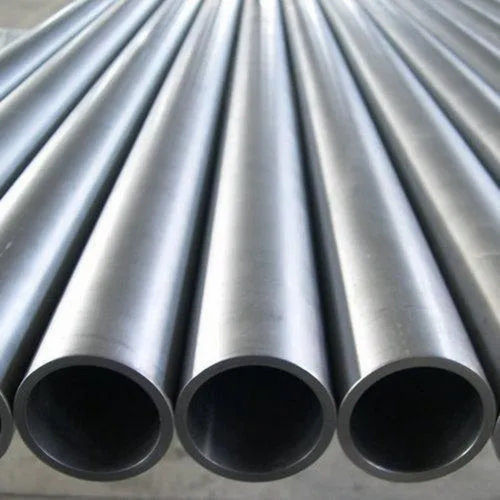
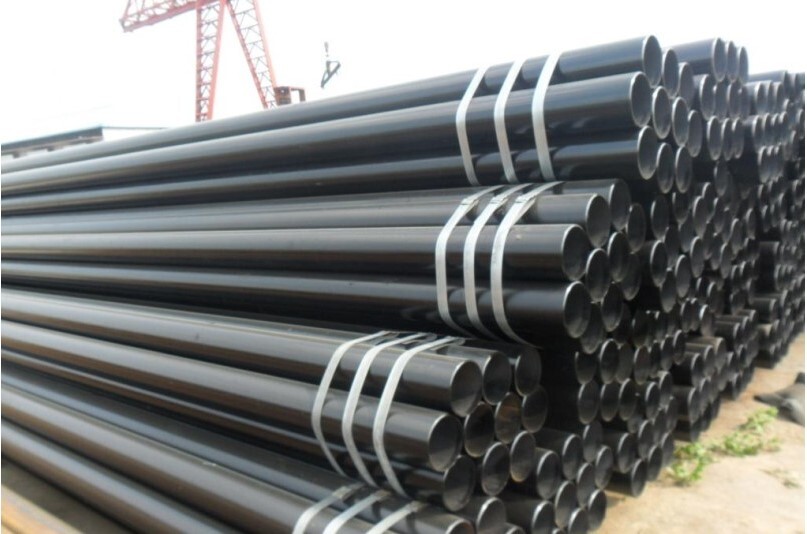
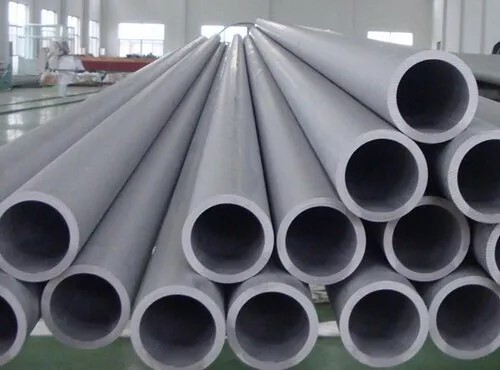
ERW Carbon Steel Seamless Pipe
1.2 USD ($)/Unit
Product Details:
- Coating Type Black Painted, Galvanized, Anti-rust
- Temperature Range -20C to +350C
- Yield Strength 240 MPa
- Tensile Strength 350 - 650 MPa
- Bend Radius Standard (non-bendable rigid pipe)
- Sealing Type Depends on Connection (Welded or Threaded)
- Tolerance 1% or as per standard
- Click to View more
X
ERW Carbon Steel Seamless Pipe Price And Quantity
- 1.20 - 5.00 USD ($)/Unit
- 50 Unit
- 1.2 USD ($)/Unit
- 100% Hydrostatic, Eddy Current, Ultrasonic Testing
- Schedule 10, 20, 40, 80 & custom
- As per supplier policy
- Plain, Beveled, or Threaded Ends
- Loose, Bundled, Plastic Caps on pipe ends, as required
- As Rolled, Normalized, Annealed
- Varies with size and thickness
- As per respective standards or grade
- Electric Resistance Welded (ERW)
- Embossed or Painted as per requirements
ERW Carbon Steel Seamless Pipe Product Specifications
- 21.3 mm - 610 mm
- 2 mm - 50 mm
- Black or Silver
- ASTM, DIN, JIS, IS, BS
- Plain End, Threaded, Socket Weld
- Rigid
- 1% or as per standard
- Oil and Gas, Water Supply, Structural, Construction
- Fluid Transmission, Structural Support, Mechanical Use
- As per requirement (21.3 mm to 610 mm)
- ERW Carbon Steel Seamless Pipe
- NPT, BSPT, as required
- Round
- Black Painted, Galvanized or as required
- 240 MPa
- 350 - 650 MPa
- 6 m, 12 m or Custom Length
- -20C to +350C
- ASTM A53, A106, API 5L Gr. B, IS 1239, IS 3589, etc.
- Plain End, Beveled End, Threaded
- Black Painted, Galvanized, Anti-rust
- Up to 350 Bar
- Depends on Connection (Welded or Threaded)
- Circular
- Standard (non-bendable rigid pipe)
- Carbon Steel
- 100% Hydrostatic, Eddy Current, Ultrasonic Testing
- Schedule 10, 20, 40, 80 & custom
- As per supplier policy
- Plain, Beveled, or Threaded Ends
- Loose, Bundled, Plastic Caps on pipe ends, as required
- As Rolled, Normalized, Annealed
- Varies with size and thickness
- As per respective standards or grade
- Electric Resistance Welded (ERW)
- Embossed or Painted as per requirements
ERW Carbon Steel Seamless Pipe Trade Information
- Western Union, Letter of Credit (L/C)
- 1000 Unit Per Week
- 15 Days
- Yes
- Free samples are available
- We, C-Way Engineering Exports give special attention to packaging. Due to longer transit time, machinery and goods are exposed to moisture and humid environment. We provide moisture proof packing and pack in strong wooden boxes. We provide pallets for easy loading and unloading of the goods. We ensure that the weight of the goods is evenly distributed.
- ISO 9001-2015,CE,FIEO,EEPC
Product Description
- Manufacturing Process:Seamless pipes are manufactured by piercing a solid billet of steel to form a hollow shell, which is then elongated and stretched over a mandrel to achieve the desired diameter and wall thickness without any seams.
- Standards and Specifications:Seamless carbon steel pipes are manufactured according to international standards such as ASTM A106, ASTM A333, ASTM A335, and API 5L. These standards specify the chemical composition, mechanical properties, and dimensional tolerances of the pipes.
- Grades Available:Seamless carbon steel pipes are available in various grades such as ASTM A106 Grade B/C, ASTM A333 Grade 6, ASTM A335 P5/P9/P11/P22, and API 5L Grade B/X42/X52/X60/X65/X70.
Versatile Applications Across Industries
These ERW Carbon Steel Seamless Pipes are engineered for diverse usages such as oil and gas transmission, water supply networks, and structural support in construction. Their flexible sizing, strength profile, and adaptability to various connection standards make them a go-to solution for fluid, mechanical, and architectural needs.
Comprehensive Quality Testing and Certification
Each pipe undergoes exhaustive inspection protocols, including 100% hydrostatic, eddy current, and ultrasonic testing. Compliance with global standards (ASTM, DIN, JIS, IS, BS) ensures reliability and long service life. Pipes are marked by embossing or painting for traceability and delivered as per rigorous quality benchmarks.
FAQ's of ERW Carbon Steel Seamless Pipe:
Q: How are ERW Carbon Steel Seamless Pipes manufactured?
A: These pipes are produced using the Electric Resistance Welded (ERW) method, which involves forming flat steel into a cylindrical shape and then welding the seam using electric resistance. The seamless type adds further value by ensuring no welded joint along the pipe's length, enhancing pressure-bearing capability.Q: What end finishes are available for these pipes?
A: ERW Carbon Steel Seamless Pipes can be supplied with plain ends, beveled ends, or threaded ends (NPT, BSPT) to suit various installation and connection requirements.Q: Where are these pipes typically used?
A: Their primary applications include oil and gas pipelines, water distribution networks, structural frameworks, and mechanical supports. They are well-suited for both high- and low-pressure scenarios within industrial, infrastructural, and mechanical projects.Q: What are the benefits of using ERW Carbon Steel Seamless Pipes?
A: Benefits include high tensile and yield strength (350-650 MPa, 240 MPa), precise tolerances (1%), excellent corrosion resistance (with black paint, galvanization, or anti-rust coatings), and broad dimensional flexibility. Strict testing ensures safe use in demanding environments.Q: How are these pipes packaged and delivered?
A: Pipes can be shipped loose, bundled, or with plastic caps on the ends to prevent damage. Lengths can be tailored (6 m, 12 m, or custom), and each pipe is marked as required. Delivery is available as rolled, normalized, or annealed to fit project needs.Q: What standards and grades are supported?
A: Supported standards include ASTM, DIN, JIS, IS, and BS. Popular grades such as ASTM A53, A106, API 5L Gr. B, IS 1239, and IS 3589 are available, meeting chemical composition and performance criteria for varied applications.Q: When should I choose threaded versus plain or beveled end pipes?
A: Threaded ends are ideal for applications requiring quick installation or disassembly, such as water supply lines, whereas plain or beveled ends are preferred for welding, as in structural or high-pressure fluid systems.Tell us about your requirement

Price:
Quantity
Select Unit
- 50
- 100
- 200
- 250
- 500
- 1000+
Additional detail
Mobile number
Email

Other Products in 'GI ERW Pipe' category

C-Way Engineering Exports
GST : 36ACIPT5775H1ZZ
GST : 36ACIPT5775H1ZZ
Contact Details

- A16/204, Sanskruti Layout, Pocharam,Hyderabad - 500088, Telangana, India
- Phone :08071931089

- Mr Pratish Thakur (Founder & CEO)
- Mobile :08071931089
-
 Send Inquiry
 Send Inquiry
 Send Inquiry
 Send SMS
 Call Me Free
C-Way Engineering Exports
All Rights Reserved.(Terms of Use)
Developed and Managed by Infocom Network Private Limited.
Developed and Managed by Infocom Network Private Limited.

