 English
 Spanish
 French
 German
 Italian
 Chinese (Simplified)
 Japanese
 Korean
 Arabic
 Portuguese
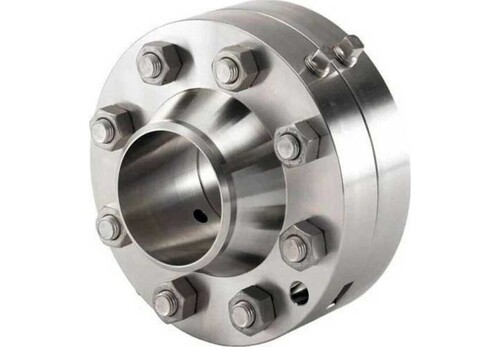
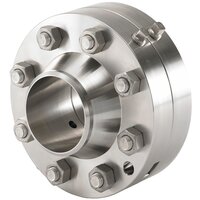
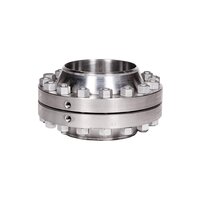
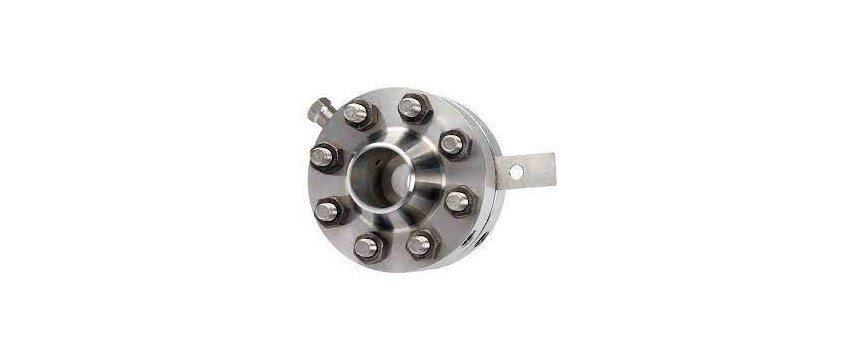
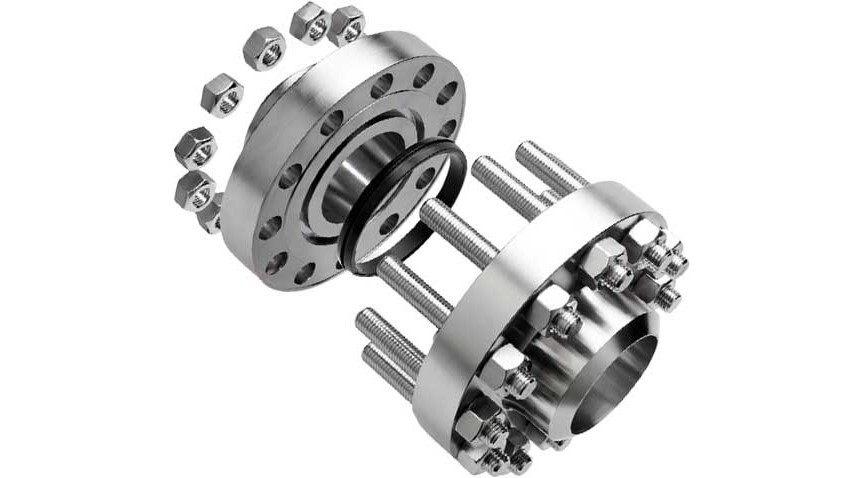
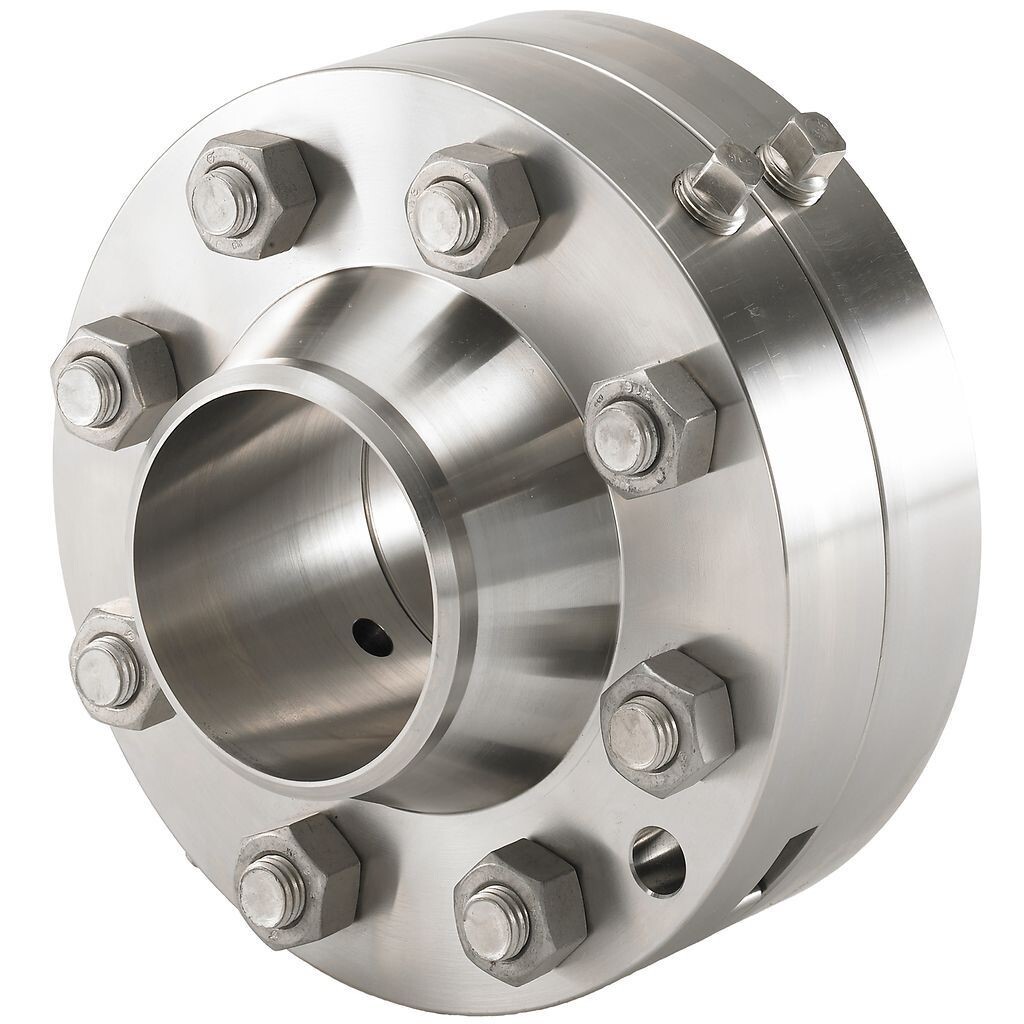
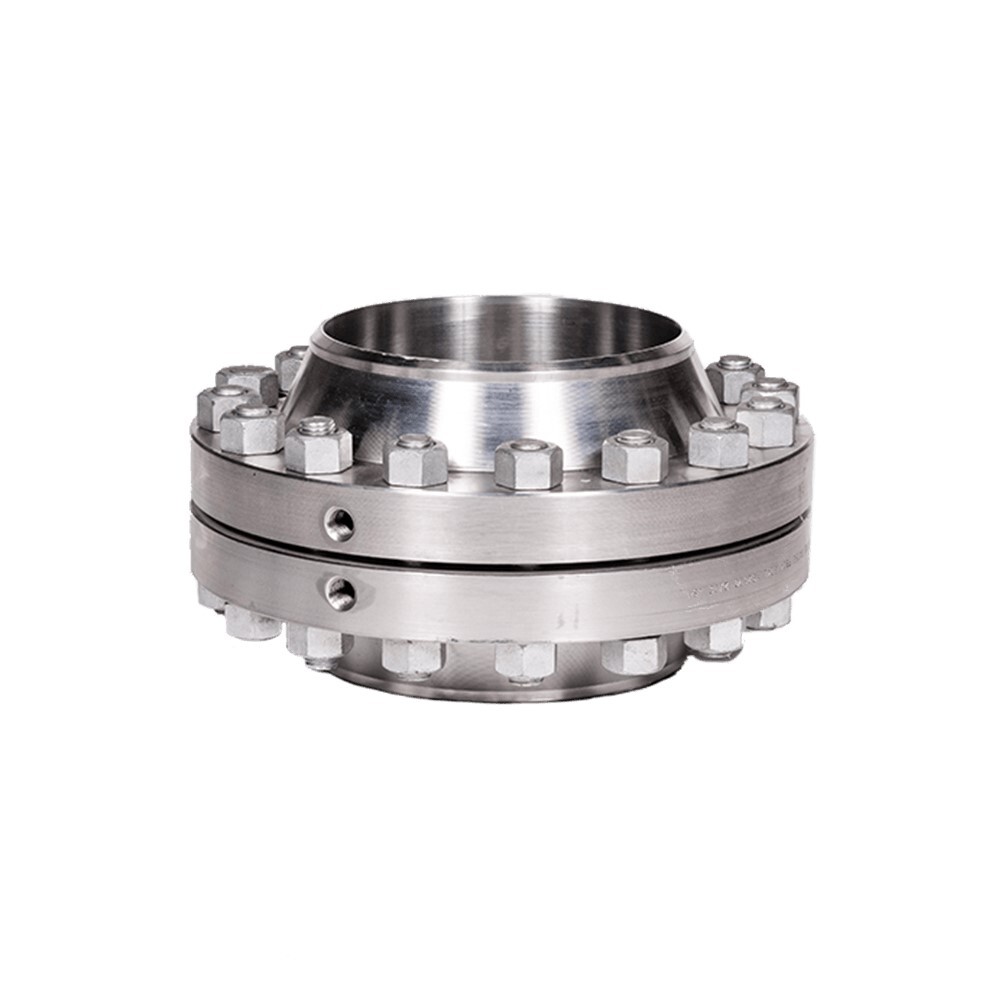
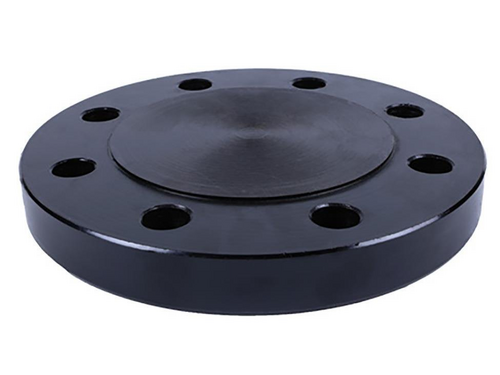
Orifice Flange
Product Details:
- Dimension (L*W*H) Custom / As per specification
- Purity Industrial Grade
- Application Flow Measurement and Control
- Feature High Precision, Leak Proof, Durable
- Grade ASTM A105, A182 F304/F316, A350 LF2, etc.
- Product Type Orifice Flange
- Material Stainless Steel, Carbon Steel, Alloy Steel
- Click to View more
Orifice Flange Price And Quantity
- 20 Piece
- 10 USD ($)/Unit
- 10.00 - 15.00 USD ($)/Unit
- Serrated or Smooth
- Standard Flange Drilling
- Up to 600°C
- As per ANSI/ASME B16.5
- NACE MR0175, PED 2014/68/EU
- Jack Screws, Plugs, Gaskets
- CNC Machined
- Ultrasonic, Hydrostatic, PMI available
- Included or Optional
- Raised Face (RF), Ring Type Joint (RTJ)
- High
Orifice Flange Product Specifications
- Flow Measurement and Control
- High Precision, Leak Proof, Durable
- ASME B16.36 / ANSI B16.36
- Custom / As per specification
- Class 150 to Class 2500
- Round
- Industrial Grade
- Orifice Flange
- Stainless Steel, Carbon Steel, Alloy Steel
- Anti-rust Coated, Polished
- Forged
- ASTM A105, A182 F304/F316, A350 LF2, etc.
- 1/2 to 24 (DN15 DN600)
- Metallic Silver
- Welded / Bolted
- Serrated or Smooth
- Standard Flange Drilling
- Up to 600°C
- As per ANSI/ASME B16.5
- NACE MR0175, PED 2014/68/EU
- Jack Screws, Plugs, Gaskets
- CNC Machined
- Ultrasonic, Hydrostatic, PMI available
- Included or Optional
- Raised Face (RF), Ring Type Joint (RTJ)
- High
Orifice Flange Trade Information
- Western Union, Letter of Credit (L/C)
- 1000 Piece Per Week
- 15 Days
- Yes
- Free samples are available
- We, C-Way Engineering Exports give special attention to packaging. Due to longer transit time, machinery and goods are exposed to moisture and humid environment. We provide moisture proof packing and pack in strong wooden boxes. We provide pallets for easy loading and unloading of the goods. We ensure that the weight of the goods is evenly distributed.
- Asia, Australia, Central America, North America, South America, Eastern Europe, Western Europe, Middle East, Africa
- ISO 9001-2015,CE,FIEO,EEPC
Product Description
Orifice flanges are specialized flanges designed for use with orifice meters to measure the flow rate of fluids in piping systems. They provide a means of installing orifice plates or other flow measurement devices directly into the pipeline while also providing access for maintenance or replacement. Orifice flanges are commonly used in industries such as oil and gas, petrochemical, chemical processing, and water treatment.
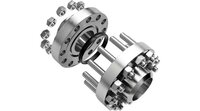
Orifice flanges consist of a standard flange with additional features to accommodate the installation of an orifice plate or flow measurement device. They typically have smaller bore or tapped holes on one side of the flange where the orifice plate is installed. The orifice plate is positioned between the two flanges, creating a constriction in the flow path that allows for accurate measurement of fluid flow rate.
Orifice flanges can have either a raised face (RF) or ring-type joint (RTJ) facing to provide a sealing surface for gaskets. The flanges are available in various pressure ratings, sizes, materials, and facing configurations to suit different application requirements.
High-Precision Flow Measurement
Our orifice flanges excel at delivering accurate and repeatable flow measurement and control in demanding industrial environments. The serrated or smooth face finish, together with optional or included orifice plates, facilitates precise differential pressure readings vital for process optimization.
Engineering for Durability and Performance
Constructed via CNC machining and forging, these flanges are designed to withstand corrosive conditions and high pressures. Accessories like jack screws, plugs, and gaskets are provided, aiding straightforward installation and maintenance without compromising leak-proof performance.
Certified to Global Standards
Meeting ANSI/ASME B16.5 and B16.36 standards as well as NACE and PED directives, these flanges adhere to the highest safety and quality norms. Each product undergoes rigorous ultrasonic, hydrostatic, and PMI testing, ensuring consistent dependability across a wide spectrum of industrial applications.
FAQ's of Orifice Flange:
Q: How are orifice flanges typically installed in pipeline systems?
A: Orifice flanges are installed by welding or bolting onto pipe ends, depending on the connection type. Proper alignment and integration of accessories such as jack screws, plugs, gaskets, and orifice plates (included or optional) ensure accurate flow measurement and a leak-proof seal.Q: What benefits does a raised face (RF) or ring type joint (RTJ) end provide in orifice flanges?
A: Raised Face (RF) ends offer excellent sealing with gaskets for standard pressure services, while Ring Type Joint (RTJ) ends are designed for higher pressures and severe applications, providing superior sealing through precision-machined grooves and metallic rings.Q: When should orifice flanges compliant with NACE MR0175 and PED 2014/68/EU be selected?
A: Select orifice flanges with NACE MR0175 and PED 2014/68/EU compliance when applications demand high corrosion resistance (e.g., sour service) and need to meet strict safety and pressure equipment directives, often found in oil, gas, and chemical facilities.Q: Where are high-precision orifice flanges most effectively used?
A: They are best applied in industries requiring accurate flow measurement and control, such as oil and gas, petrochemicals, power plants, and process industries, especially where reliability under varying pressures and temperatures is critical.Q: What is the manufacturing process for these orifice flanges?
A: These flanges are forged and then CNC machined for dimensional accuracy. Surfaces are polished and coated with anti-rust finishes. Each unit is rigorously tested-including ultrasonic, hydrostatic, and positive material identification (PMI) tests-before dispatch.Q: How does the inclusion of jack screws, plugs, and gaskets enhance the usage of the orifice flange assembly?
A: Jack screws allow effortless separation of flanges for inspection or plate change-out, plugs ensure convenient pressure tapping, and gaskets guarantee a leak-proof seal, collectively simplifying installation, maintenance, and operation.Q: What are the main advantages of using these orifice flanges for flow measurement?
A: Key advantages include high precision, durability, leak-proof operation, broad compatibility with industrial standards, excellent corrosion resistance, and a wide range of available sizes and pressure classes to fit specific process requirements.
Price:
- 50
- 100
- 200
- 250
- 500
- 1000+

Other Products in 'Industrial Flanges' category

GST : 36ACIPT5775H1ZZ

- A16/204, Sanskruti Layout, Pocharam,Hyderabad - 500088, Telangana, India
- Phone :08071931089

- Mr Pratish Thakur (Founder & CEO)
- Mobile :08071931089
-
 Send Inquiry
 Send Inquiry
 Send Inquiry
 Send SMS
 Call Me Free
Developed and Managed by Infocom Network Private Limited.

